Chocolate Font: A Sweet Handwritten Typeface for Editorial Design
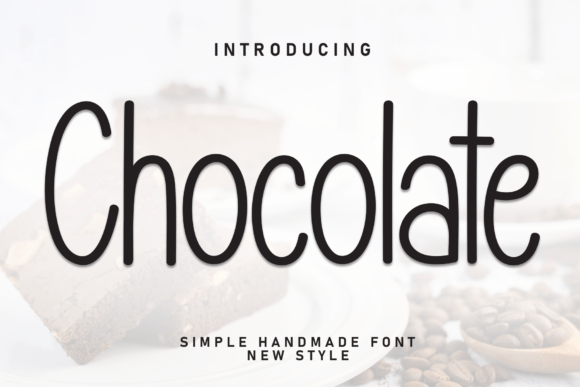
Chocolate Font transforms standard text into a sweet and friendly handwritten font that instantly adds personality to any digital or print project. As an editorial designer, finding the right typeface is often the difference between a flat layout and a publication that truly engages readers. This script handwritten style offers a unique warmth that generic sans serifs simply cannot replicate, making it a valuable asset for content creators who want their work to feel personal and approachable.
When you are building a brand identity for a blog, magazine, or ebook, the typography sets the emotional tone before a single word is read. The playful nature of Chocolate Font allows designers to inject a sense of fun and creativity into serious layouts without sacrificing readability. Whether you are crafting a wedding guide or designing a newsletter header, this font provides the visual texture needed to make your content stand out in a crowded digital landscape.
Chocolate Font for Wedding Invitations and Elegant Branding
Chocolate Font serves as a perfect solution for creating wedding invitations and elegant branding materials that require a touch of whimsy. While traditional serif fonts can sometimes feel too formal or rigid, the cute and fun aesthetic of this script handwritten style bridges the gap between sophistication and playfulness. For publishers creating guides on event planning or lifestyle magazines featuring relationship content, using Chocolate Font helps establish a romantic yet modern atmosphere.
In the realm of fonts designed for special occasions, few styles capture the joy of celebration as effectively as this one. The fluid strokes mimic natural handwriting, which adds a human element to printed materials like save-the-dates, ceremony programs, and reception cards. When paired with high-quality paper stock, the Chocolate Font elevates the perceived value of the invitation, signaling to guests that the event is both carefully curated and full of heart. This versatility makes it an essential tool for designers specializing in nuptial publications.
Applying Chocolate Font to Digital Magazine Covers
Chocolate Font brings a distinct visual hierarchy to digital magazine covers, drawing the eye immediately to the main headline. Unlike blocky display fonts that can dominate a page, this script handwritten typeface feels inviting and encourages the reader to dive into the story. For bloggers and editors looking to refresh their publication's look, incorporating Chocolate Font into cover art can signal a shift towards more personal storytelling or lifestyle-focused content.
The font's rounded edges and friendly curves create a welcoming vibe that works exceptionally well for lifestyle blogs, beauty reviews, and creative newsletters. By using Chocolate Font as the primary title treatment, designers can break away from the monotony of standard web typography. It acts as a visual anchor that balances perfectly with body copy set in a clean serif font or a neutral sans serif font, ensuring the layout remains structured while maintaining a creative flair.
Chocolate Font for Cute and Fun Cards and Printable Guides
Chocolate Font is ideal for writing wedding invitations, cards, or any other design that might need a fun touch, particularly when creating printable guides and worksheets. Content creators who sell digital downloads, such as planners, journals, or educational worksheets, know that the visual appeal of the product is just as important as its content. A script handwritten font like Chocolate Font turns a standard document into a delightful experience, increasing the perceived value of the download.
For example, a coach creating a workbook for their clients might use Chocolate Font for chapter headings and section dividers to keep the material feeling encouraging and light. Similarly, a recipe ebook creator could use this font for ingredient lists or cooking tips, adding a cozy, home-style feel to the instructions. The ability of Chocolate Font to convey emotion through letterforms makes it a powerful tool for enhancing user engagement across various digital products.
Enhancing Newsletter Graphics and Social Media Posts
Chocolate Font allows newsletter writers to create graphics that stop the scroll and encourage clicks. In an era where attention spans are short, the cute and fun personality of this script handwritten style can be the deciding factor in whether a subscriber opens an email. Designers can use Chocolate Font to highlight key takeaways, feature quotes, or announce new posts within a newsletter layout.
Social media managers will also find great utility in this font for creating branded quote graphics and promotional banners. Because Chocolate Font is legible even at smaller sizes, it works well on mobile devices where most users consume content. By integrating this creative font into a consistent visual strategy, brands can build a recognizable identity that feels authentic and relatable to their audience.
Chocolate Font for Ebook Titles and Chapter Openers
Chocolate Font excels in defining the structure of ebooks, particularly for titles and chapter openers that need to grab attention. When designing an interior layout, using a script handwritten style for drop caps or initial letters can add a sophisticated yet playful detail that keeps readers engaged. This font is not intended for long blocks of body text, but rather as a strategic accent to guide the reader through the narrative flow.
For authors publishing self-help books, fiction collections, or instructional guides, Chocolate Font offers a way to differentiate sections without disrupting the reading rhythm. Pairing it with a highly readable serif font for the main text ensures that the book remains comfortable to read for extended periods. The contrast between the structured body copy and the whimsical Chocolate Font creates a dynamic reading experience that feels custom-made for the content.
Strategic Font Pairing for Professional Layouts
Chocolate Font achieves its best results when paired thoughtfully with complementary typefaces that support editorial design principles. Since this script handwritten style has a strong personality, it pairs beautifully with clean, understated sans serif fonts for captions, navigation menus, and metadata. This combination ensures that the Chocolate Font remains the star of the show while maintaining overall legibility and professional polish.
Designers should consider the weight and spacing of the accompanying fonts to ensure harmony. A bold serif font can provide a solid foundation for body text, allowing the delicate lines of Chocolate Font to shine in headings and pull quotes. By carefully selecting fonts that balance each other, creators can produce layouts that are both visually striking and easy to navigate, ultimately enhancing the user experience for every reader.
Commercial Licensing and Usage Rights for Creators
Chocolate Font comes with specific commercial licensing terms that empower creators to use it in paid projects without legal concerns. Whether you are producing a premium ebook, selling printable planners, or designing client publications, understanding the usage rights is crucial for protecting your business. This script handwritten style is versatile enough to be used in logos, packaging designs, and web design elements, provided the license permits commercial application.
Content creators should always verify the included styles, alternates, and ligatures to maximize the potential of the font. Many modern typefaces offer extensive character sets that support multilingual needs, ensuring global reach for your publications. By investing in high-quality assets like Chocolate Font, designers can elevate their portfolio and deliver exceptional value to their audiences, proving that good typography is an investment in quality content.